Why Building Air Quality Is Becoming a Major Compliance Issue
Indoor Air Quality (IAQ) has become an increasingly important consideration across healthcare, education, commercial and residential environments as organisations develop greater awareness of how ventilation and environmental conditions affect health, wellbeing and building performance.
While many buildings may appear clean and comfortable on the surface, poor ventilation, elevated humidity, airborne contaminants and inadequate air movement can significantly affect indoor environmental quality over time.
In recent years, increased focus on airborne transmission risks, damp and mould issues and workplace wellbeing has driven much greater scrutiny of building ventilation performance and indoor air quality management.
As a result, organisations are increasingly expected to demonstrate that occupied spaces are not only operational, but properly ventilated and appropriately managed.
What Is Indoor Air Quality?
Indoor Air Quality refers to the condition of the air within occupied spaces and how it affects the health, comfort and wellbeing of building occupants.
A wide range of factors may influence IAQ, including:
- ventilation performance
- humidity levels
- airborne particulates
- carbon dioxide concentrations
- temperature stability
- mould contamination
- volatile organic compounds
- outdoor pollution ingress
In many buildings, poor air quality develops gradually and may not be immediately obvious until occupants begin experiencing symptoms such as discomfort, headaches, fatigue or respiratory irritation.
Why Ventilation Matters
Ventilation plays a critical role in maintaining acceptable indoor air quality by diluting and removing airborne contaminants while supplying fresh air to occupied spaces.
Where ventilation is inadequate, airborne pollutants and moisture may accumulate within the building environment.
This can contribute to issues such as:
- elevated CO₂ levels
- stale air
- condensation
- mould growth
- odour complaints
- overheating
- occupant discomfort
Within healthcare and education environments, ventilation may also play an important role in infection prevention and environmental control.
As buildings become more airtight in pursuit of energy efficiency, maintaining suitable ventilation performance becomes increasingly important.
The Relationship Between Ventilation and Mould
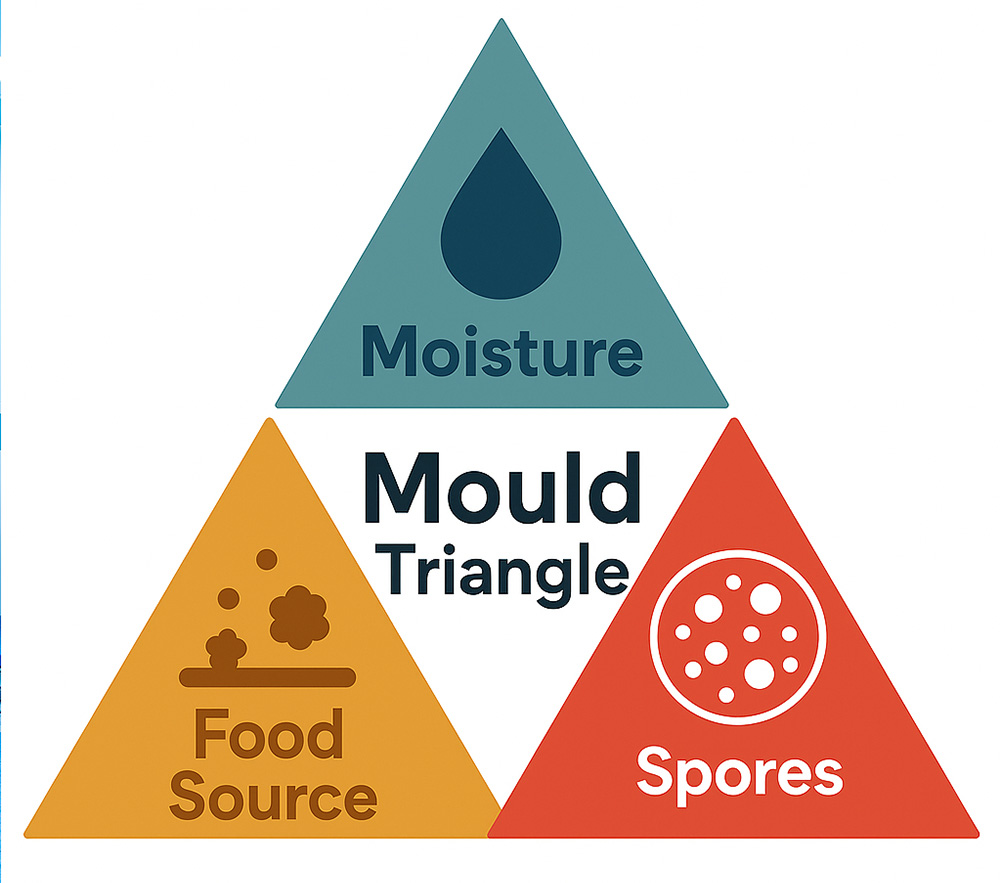
One of the most common indicators of poor ventilation is persistent condensation and mould growth.
Where humid air cannot be effectively removed from occupied spaces, moisture may condense onto cooler building surfaces and create conditions favourable for microbial growth.
Bathrooms, kitchens, bedrooms and poorly ventilated corners are often particularly affected.
In many cases, mould problems are incorrectly treated as isolated cleaning issues when the underlying problem relates to inadequate air movement or uncontrolled humidity.
Understanding the relationship between ventilation, moisture and indoor air quality is therefore essential to developing effective long-term solutions.
Healthcare and Sensitive Environments
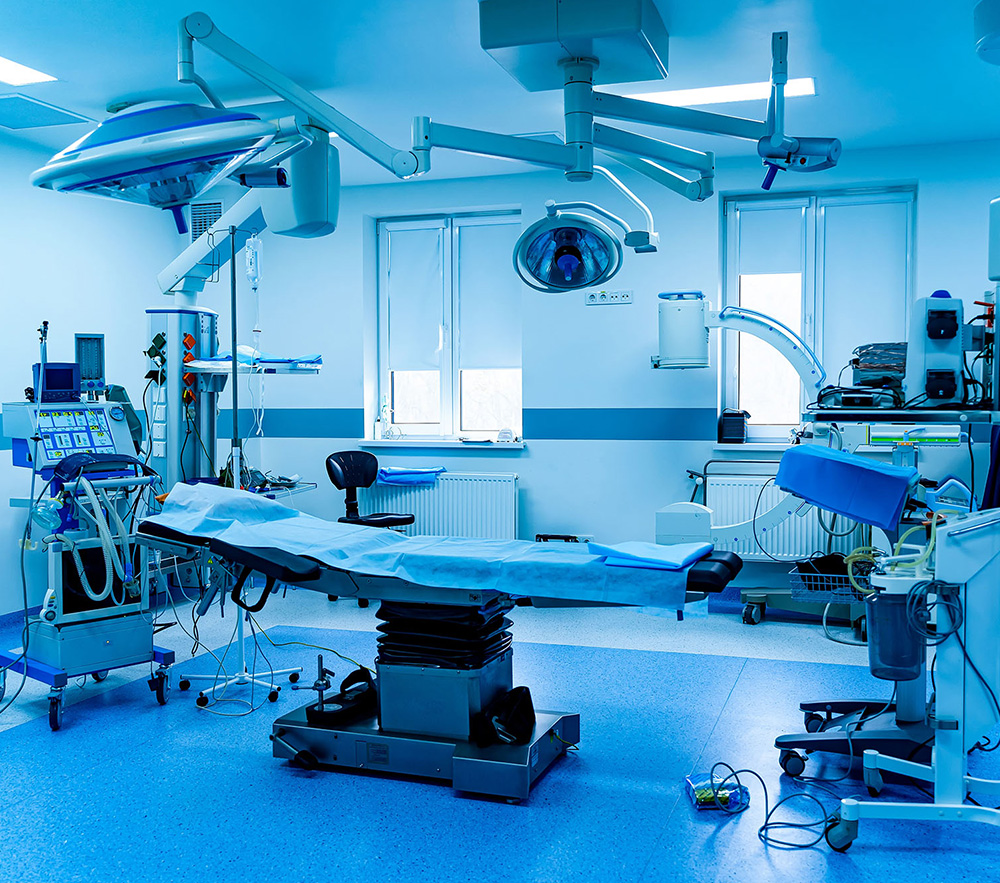
Within healthcare and other sensitive environments, indoor air quality may have wider operational implications.
Poor ventilation performance can potentially affect:
- environmental cleanliness
- airborne contaminant control
- patient comfort
- staff wellbeing
- infection prevention measures
Healthcare ventilation systems are often designed to maintain controlled airflow patterns, pressure relationships and filtration standards appropriate for the activities taking place within the space.
Where systems drift away from intended performance, the indoor environment may no longer behave as designed.
This is why ventilation monitoring, maintenance and verification are increasingly important parts of healthcare estates management.
Common Issues Identified During IAQ Reviews
Many indoor air quality problems develop gradually over time and may not initially be recognised as ventilation-related.
Common findings may include blocked air terminals, poorly maintained filters, inadequate extract ventilation, poorly balanced systems or spaces being used differently from their original design intent.
In some buildings, occupancy levels may have increased significantly without corresponding changes to ventilation provision.
Modern building modifications can also unintentionally affect airflow behaviour by altering pressure relationships or reducing natural ventilation pathways.
Why IAQ Is Becoming a Governance Issue
Indoor environmental quality is increasingly linked to wider organisational responsibilities relating to health, wellbeing and building safety.
Occupants are becoming more aware of ventilation quality, while regulators and investigators increasingly consider whether building environments are being properly maintained and monitored.
This is particularly relevant within:
- healthcare facilities
- schools
- care homes
- offices
- public buildings
As awareness grows, organisations are likely to face increasing expectations regarding the management and performance of occupied indoor environments.
Taking a Proactive Approach
Good indoor air quality management requires more than reacting to complaints once issues become visible.
A proactive approach may involve ventilation assessment, monitoring, maintenance review, humidity control and investigation of environmental conditions before widespread problems develop.
Importantly, ventilation systems should not simply be assumed to perform correctly because they are operational.
Regular review and performance assessment help ensure that systems continue supporting the needs of the building and its occupants over time.
How Safe Solutions Can Help
Safe Solutions Group provides specialist AirCare and BioCare support relating to indoor air quality, ventilation assessment and environmental compliance across healthcare, commercial and public sector environments.
Our services include ventilation inspections, airflow assessment, indoor environmental reviews, mould-related investigations and practical support aligned with current guidance and operational best practice.
We focus on understanding how buildings actually behave in operation and identifying practical measures that support healthier, safer and more resilient indoor environments.
Over the coming months, Safe Solutions will continue expanding its indoor air quality resource library with additional guidance covering mould risk, ventilation effectiveness, healthcare airflow management, humidity control and common environmental issues identified during building assessments.
This article forms part of our ongoing commitment to improving understanding of practical indoor environmental management and defensible building compliance.