Why Effective Mould Management Requires More Than Surface Cleaning
Mould contamination within buildings has become an increasingly important health, compliance and reputational issue across healthcare, housing, education and commercial sectors. While mould growth is often dismissed as a simple condensation problem, the reality is that persistent moisture and microbial contamination can indicate wider issues relating to ventilation, building condition, occupancy behaviour or environmental management.
In recent years, regulatory scrutiny surrounding damp and mould has increased significantly, particularly within healthcare and residential environments where vulnerable occupants may be affected. Organisations are now expected to demonstrate not only that mould is removed, but that underlying causes are identified and properly managed.
For duty holders, facilities managers and property operators, this means mould management should be approached as a structured environmental risk issue rather than a cosmetic cleaning exercise.
Why Mould Develops Within Buildings
Mould growth occurs where moisture, suitable temperatures and organic material combine to create conditions favourable for fungal development.
This commonly occurs in areas affected by:
- condensation
- poor ventilation
- water ingress
- thermal bridging
- high humidity
- plumbing leaks
- inadequate heating
- building defects
However, mould problems are rarely caused by a single factor alone. In many buildings, a combination of environmental, structural and operational issues contribute to persistent contamination.
Bathrooms, kitchens, external wall junctions, poorly ventilated bedrooms and areas behind furniture are among the locations most frequently affected.
Within healthcare and residential environments, modern energy efficiency measures can sometimes unintentionally worsen the situation if ventilation is reduced without properly controlling humidity and air movement.
The Health Implications of Mould Exposure
Mould contamination is not simply an aesthetic issue. Airborne fungal spores and microbial contamination may contribute to respiratory irritation, allergic reactions and worsening of existing health conditions.
Individuals who may be more vulnerable include:
- elderly occupants
- young children
- immunocompromised individuals
- people with asthma or respiratory conditions
Within healthcare environments, mould contamination may present additional concerns due to the presence of clinically vulnerable patients and the potential for airborne fungal exposure.
For this reason, organisations increasingly need to demonstrate that mould risks are being identified, assessed and managed appropriately.
Why Surface Cleaning Alone Often Fails
One of the most common mistakes in mould management is treating only the visible surface contamination without addressing the underlying moisture source.
In many cases, mould may temporarily disappear following cleaning or decoration, only to return weeks or months later because the environmental conditions supporting growth remain unchanged.
This is particularly common where:
- condensation problems are unresolved
- ventilation remains inadequate
- humidity levels remain elevated
- thermal bridging persists
- leaks continue unnoticed
Effective mould remediation therefore requires a broader assessment of the building environment rather than simply removing visible growth.
Understanding the Difference Between Cleaning and Remediation
There is an important distinction between basic cleaning and structured mould remediation.
Cleaning generally focuses on removing visible contamination from surfaces. Remediation, however, involves identifying the root cause of moisture, assessing the extent of contamination and implementing corrective measures to reduce the likelihood of recurrence.
Depending on the environment and severity, remediation may involve:
- moisture control measures
- ventilation improvements
- removal of contaminated materials
- targeted disinfection
- environmental monitoring
- verification of cleanliness following treatment
In higher-risk environments such as healthcare facilities, remediation strategies may also need to consider infection prevention requirements and protection of adjacent occupied areas.
Mould Within Healthcare and Sensitive Environments
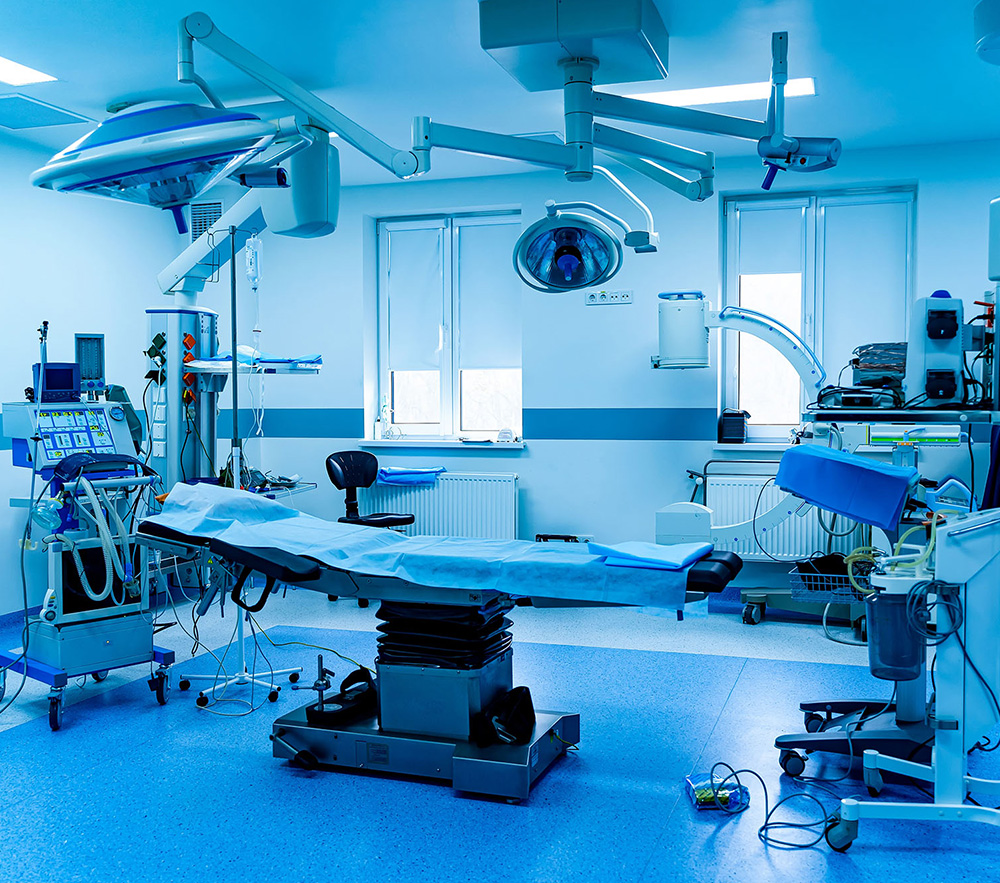
Mould contamination within healthcare environments presents additional challenges because of the vulnerability of certain patient groups and the need to maintain controlled environmental conditions.
Areas of concern may include:
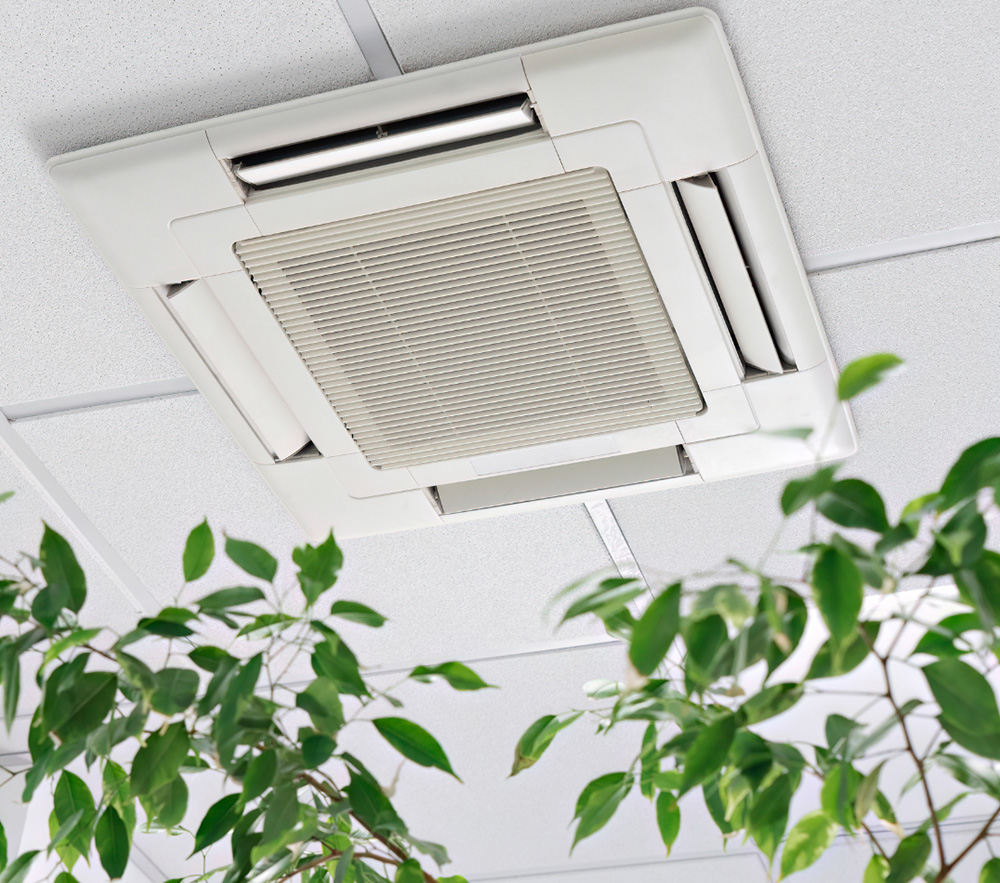
- ventilation systems
- ceiling voids
- poorly ventilated clinical rooms
- damp building fabric
- water-damaged materials
- areas affected by condensation
In some situations, fungal contamination may contribute to concerns regarding indoor air quality and environmental infection control.
Healthcare organisations are therefore increasingly expected to demonstrate proactive environmental monitoring, maintenance and remediation procedures where mould issues arise.
The Role of Ventilation and Indoor Air Quality
Poor ventilation is one of the most significant contributors to persistent mould problems.
Where air movement is inadequate and humidity remains elevated, moisture can accumulate on cooler surfaces and create conditions favourable for fungal growth. This is particularly common within modern airtight buildings or rooms with insufficient extract ventilation.
Bathrooms, kitchens, utility areas and occupied bedrooms often experience elevated moisture loads that require effective air change and extraction to maintain suitable environmental conditions.
In some cases, mould contamination may indicate wider issues relating to building ventilation performance, maintenance standards or occupancy behaviour.
Understanding these relationships is important when developing long-term remediation strategies.
Why Documentation and Governance Matter
Organisations increasingly need to demonstrate that mould complaints and contamination issues are being managed systematically and appropriately.
This is particularly important within:
- healthcare environments
- social housing
- care homes
- education facilities
- publicly managed buildings
Good governance may involve:
- inspection records
- moisture assessments
- remedial action tracking
- environmental monitoring
- resident communication
- photographic evidence
- post-remediation verification
Without structured documentation, organisations may struggle to demonstrate that issues have been properly investigated and resolved.
Decontamination and Environmental Cleaning
Depending on the nature of the contamination and environment involved, mould remediation may require additional decontamination and environmental cleaning measures.
This can include the use of:
- targeted disinfectants
- hydrogen peroxide-based systems
- fogging technologies
- surface sanitation procedures
- ATP monitoring
- controlled cleaning protocols
However, decontamination should always form part of a wider remediation strategy rather than being viewed as a standalone solution.
Without controlling moisture and environmental conditions, contamination may quickly return.
Common Issues Identified During Assessments
Many mould-related issues identified during inspections are linked to operational or environmental management rather than catastrophic building failure.
Common findings may include poor extract ventilation, excessive humidity, blocked air vents, cold bridging around external walls, unreported plumbing leaks or occupant behaviours contributing to elevated moisture levels.
In some buildings, mould may also develop because previous remedial actions focused only on decoration rather than identifying the underlying source of moisture.
These types of issues are extremely common and often develop gradually over time.
Taking a Proactive Approach
The most effective mould management strategies are proactive rather than reactive.
Early identification of moisture issues, improved ventilation, environmental monitoring and planned maintenance can significantly reduce the likelihood of widespread contamination developing.
Equally important is ensuring that organisations respond consistently and systematically when issues are identified.
A structured approach to mould management not only improves building conditions, but also supports wider health, safety and compliance objectives.
How Safe Solutions Can Help
Safe Solutions Group provides specialist BioCare support relating to mould assessment, environmental decontamination and remediation across healthcare, housing, care and commercial sectors.
Our services include mould inspections, contamination assessment, environmental decontamination, ATP monitoring, ventilation-related investigations and practical remediation support aligned with current industry guidance and operational best practice.
We focus on identifying underlying causes, improving environmental conditions and supporting long-term defensible remediation strategies rather than simply treating visible symptoms.
Over the coming months, Safe Solutions will continue expanding its mould and environmental hygiene resource library with additional guidance covering condensation control, ventilation performance, healthcare mould risks, ATP testing, moisture management and common remediation failures identified during investigations.
This article forms part of our ongoing commitment to improving understanding of practical mould management, environmental hygiene and defensible compliance across safety-critical environments.